Sometimes you know your reactions don’t quite match the moment.
Maybe your emotions feel bigger than the situation. Maybe relationship patterns keep repeating, even when you try to change them. Or maybe you’ve done therapy before, read the books, tried the tools — and still feel stuck.
If that sounds familiar, you’re not alone.
At Inner Healing and Serenity Psychotherapy, I offer schema therapy in Toronto Ontario, through secure virtual sessions for residents across the province. My name is Stacy Olieux, and I am a Registered Psychotherapist (Qualifying). My work focuses on helping you understand and heal the deeper beliefs and emotional patterns that began earlier in life — the ones that quietly shape how you see yourself, others, and the world.
Healing doesn’t mean something is wrong with you. It means your nervous system and coping strategies adapted to something difficult — and now we gently update them.
Schema therapy may be a good fit if you:
I work with individuals across Ontario through online therapy. Many of the people I support have tried other approaches, but feel something deeper hasn’t been addressed yet.
Clients who reach out for schema therapy often describe:
You may feel like your past still has a grip on your present.
Schema therapy helps uncover why these patterns developed — not to blame anyone, but to understand how they once protected you.
Schema therapy focuses on identifying maladaptive schemas — deeply rooted emotional and belief patterns that often form in early life experiences. These schemas can shape how you interpret relationships, handle stress, and view yourself.
In our work together, we explore:
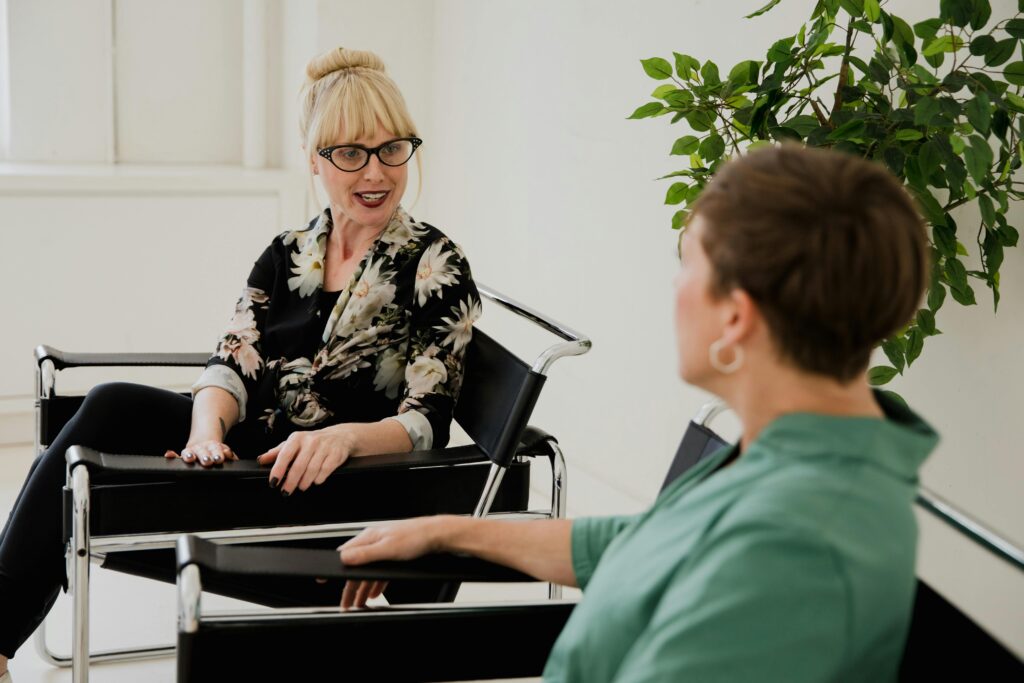
My approach is collaborative rather than directive. I won’t tell you what to think or feel. Instead, we work together to gently understand what developed and why.
I integrate schema therapy within an evidence-based, trauma-informed framework. Depending on your needs, our work may also draw from:
These approaches allow us to address both emotional roots and practical coping skills. Clients often appreciate having tools like emotional regulation strategies alongside deeper processing work.
Throughout our sessions, I stay grounded in empathy and curiosity. I have over eight years of experience in community mental health and bring both professional training and lived experience to this work.
I deeply believe healing happens in safe, collaborative relationships.
All sessions are offered virtually for residents of Ontario, including those based in Toronto.
Our first sessions focus on understanding your story.
We’ll explore your current concerns, patterns you’ve noticed, and your therapy goals. I move at your pace. There is no pressure to share everything at once.
As we begin identifying schemas and emotional triggers, you may start recognizing connections between past experiences and present reactions. This can feel validating — sometimes even relieving.
We’ll also begin building regulation skills to help you stay grounded while doing deeper work.
Schema therapy is not rushed. We revisit themes as needed and adjust based on what feels most supportive.
Because my approach is collaborative, you are an active participant in shaping our direction. Online therapy allows you to attend sessions from the comfort of your own space, which many clients find helpful when exploring vulnerable topics.
The goal of schema therapy is not to erase your past.
It’s to help you respond differently in the present.
Clients often experience:
Over time, patterns that once felt automatic begin to feel more flexible.
You may notice you can pause before reacting. You might communicate needs more clearly. You may feel less defined by a diagnosis and more connected to your whole self.
Healing doesn’t happen overnight. But meaningful change is possible.
If you feel stuck in recurring emotional or relational patterns, schema therapy can be helpful. It is especially supportive for individuals who want to explore root causes rather than only surface-level coping strategies.
Yes. Online therapy allows for meaningful, consistent work while offering convenience and comfort. Many clients find they are able to open up more easily from their own space.
No. You don’t need a formal diagnosis to begin. We focus on your lived experience and what feels challenging in your daily life.
That’s more common than you might think. Sometimes it’s not about trying harder — it’s about finding the right therapeutic fit and approach. Schema therapy may offer a different lens that feels more aligned.
If you’re feeling curious about whether this approach might support you, I invite you to take the next gentle step.
Therapy is a collaborative process. If you’re ready to uncover, heal, and move toward greater emotional freedom, I’d be honoured to walk alongside you.